Association of Dental Anaesthetists and Sedationists
Conference 2027
Honouring the Past, Shaping the Future
The Association of Dental Anaesthetists and Sedationists – 50th Anniversary Conference
Fifty years is a remarkable milestone — a time to reflect on where we have come from, celebrate the people and achievements that have shaped our specialty, and look ahead to the future of dental anaesthesia and sedation.
We are delighted to welcome you to the 50th Anniversary Conference of The Association of Dental Anaesthetists and Sedationists (ADAS), bringing together colleagues from across the profession for a day of learning, connection and celebration.
Under the theme “Honouring the Past, Shaping the Future,” this special anniversary conference will explore the evolution of dental anaesthesia and sedation, from the pioneering work and practices of the past to the innovations, technologies and changing standards that will influence the next generation.
Throughout the day, we will celebrate the individuals who have contributed to the development of our specialty, revisit key moments in its history, and consider how the lessons of the past can help us shape a safe, innovative and sustainable future.
Alongside an engaging programme of lectures and discussions, the conference provides an opportunity to reconnect with colleagues, welcome new members of our profession and share ideas across generations.
Whether you have been part of ADAS for decades or are just beginning your journey in dental sedation and anaesthesia, we hope this 50th anniversary celebration will inspire, inform and remind us of the importance of the community we have built together.
Fifty years of progress. A legacy worth celebrating. A future worth shaping.
We look forward to celebrating this special occasion with you.
AGENDA
Getting to the Venue
The Hallam Conference Centre is centrally located and easily accessible via public transport.
London Underground (Tube)
The venue is within a short walking distance of several Tube stations:
- Great Portland Street (Circle, Hammersmith & City, Metropolitan Lines) – Approx. 3-5 minute walk.
- Oxford Circus (Bakerloo, Central, Victoria Lines) – Approx. 5-8 minute walk.
- Regent’s Park (Bakerloo Line) – Approx. 5 minute walk.
- Warren Street (Northern, Victoria Lines) – Approx. 8 minute walk.
National Rail
Several major London National Rail stations are a short taxi or Tube ride away:
- Euston (Overground, National Rail) – Approx. 10-15 minutes by Tube (Victoria Line to Oxford Circus).
- King’s Cross St Pancras (National Rail, Eurostar) – Approx. 10-15 minutes by Tube (Victoria Line to Oxford Circus).
- Paddington (National Rail, Heathrow Express) – Approx. 10 minutes by taxi or Tube (Bakerloo Line to Regent’s Park).
Bus Services
Numerous bus routes stop within a few minutes’ walk of Hallam Street, including routes: 3, 6, 8, 10, 12, 13, 15, 23, 25, 73, 88, 94, 98, 113, 137, 139, 159, 189, 453, and C2.
Driving and Parking
*Please note that the venue is located within the London Congestion Charge Zone and the Ultra Low Emission Zone.
On-street parking is very limited, but the nearest NCP Car Park is at 6-7 Weymouth Mews, W1W 5EQ.
Where to Stay
The Hallam Conference Centre is situated in a vibrant area close to Fitzrovia, Marylebone and Oxford Circus and offers a wide range of hotel options to suit various budgets.
Hotels Within Walking Distance of Hallam Conference Centre:
- Astor Court Hotel
- Gem Fitzrovia Hotel
- Gem Langham Court Hotel
- Holiday Inn London – Regent’s Park by IHG
- Treehouse Hotel London
- The Langham, London
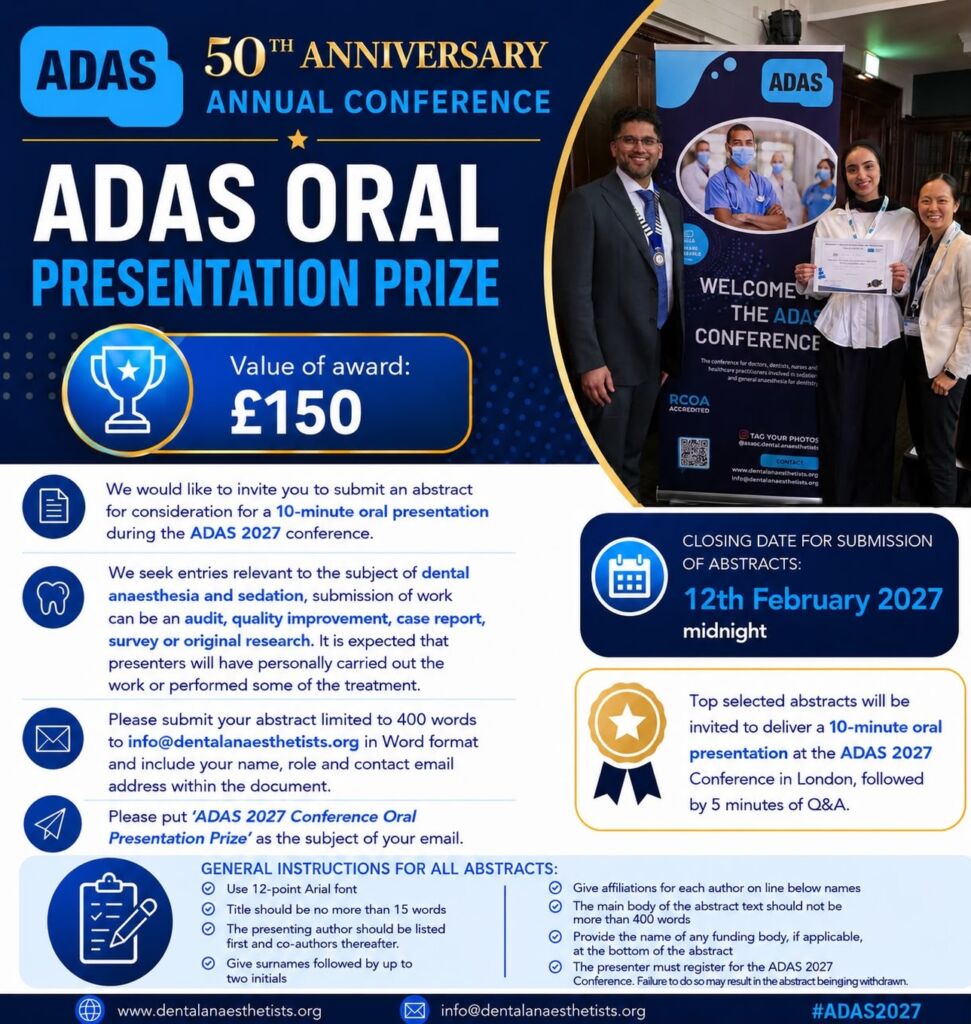
- Use 12-point Arial font
- Title should be no more than 15 words
- The presenting author should be listed first and co-authors thereafter.
- Give surnames followed by up to two initials
- Give affiliations for each author on line below names
- The main body of the abstract text should not be more than 400 words
- Provide the name of any funding body, if applicable, at the bottom of the abstract
The presenter must register for the ADAS 2027 Conference. Failure to do so may result in the abstract being withdrawn.
Meet our speakers
Dr David Craig
Dr David Craig
Consultant in Special Care Dentistry
Dr Joe Omar
Dr Joe Omar
Medical Sedationist
Prof. Robert Sneyd
Prof. Robert Sneyd
Consultant Anaesthetist
Dr Gareth Kitchen
Dr Gareth Kitchen
Consultant Anaesthetist
Dr Malihe Moeinian
Dr Malihe Moeinian
Specialist in Paediatric Dentistry
Dr Martin Wanendeya
Dr Martin Wanendeya
Dental Implant Surgeon
Janet Pickles
Janet Pickles
Director, R A Medical
Dr Xanthoula Maitou
Dr Xanthoula Maitou
Dentolegal Consultant

Title: Guidelines or Tramlines?
Dr David Craig MBE is a highly experienced Consultant in Special Care Dentistry, recognised for his significant contribution to dental care, clinical education and conscious sedation. He has served as Head of Sedation and Special Care Dentistry at Guy’s and St Thomas’ NHS Foundation Trust and as an Honorary Senior Lecturer at King’s College London. With over 30 years of experience in teaching conscious sedation techniques, Dr Craig has played an important role in developing training programmes for dental professionals and promoting safe, effective and accessible dental care for patients with complex needs and dental anxiety. In 2018, he was awarded an MBE for services to dental patients.
Aim:
To explore how guidelines and standards for conscious sedation contribute to safe and effective anxiety management in dentistry.
The session will:
– outline the evolution of guidance on conscious sedation for dental procedures since 2000
– review how published evidence and expert opinion have contributed to the development of guidance
– explain the importance of representation from a broad spectrum of service providers and trainers
– provide an update on publication of the revised Intercollegiate Advisory Committee for Sedation in Dentistry (IACSD) Standards for Conscious Sedation in the Provision of Dental Care (2020)
– consider the nature of future guidance and by whom it should be written.
By the end of the session, participants should be able to:
- Describe the development of past and current guidance on conscious sedation for dental procedures;
- Discuss the roles of peer-reviewed evidence and expert opinion from a wide range of service and training providers;
- Understand the reasons for the delay in publishing revised IACSD Standards;
- Discuss whether a new approach is required.

Title: Golden Memories
Dr Yusof (Joe) Omar MBBCh, DA
Dr Omar graduated as a doctor in 1976 and worked in NHS hospitals until 1984, when he began his private practice in dental anaesthesia and sedation. He was a founding member of Sedation Solutions Ltd. He also held posts at the Eastman Dental CPD as Honorary Senior Teaching Fellow and Examiner in Sedation.
He served on the Standing Committee for Sedation in Dentistry, from 2007 to 2010, convened by the Royal Colleges of Surgeons and Anaesthetists, and is a past President of the Association of Dental Anaesthetists (now ADAS) from 3013-15.
For over 35 years, Dr Omar has lectured on medical emergencies in dental practice and sedation in dentistry, both in the UK and internationally.
He retired from clinical practice in December 2017 following a diagnosis of cancer, which is now happily in remission. He continues to lecture occasionally to the dental profession, both for personal fulfilment and to maintain his connection with the profession.
In retirement, Dr Omar enjoys life as a husband, father to four daughters, and granddad to four grandchildren. When asked how he spends his time, he says: “Cooking, gardening, volunteering for Home-Start, holidaying, and playing racquetball and padel.” He willingly takes on the role of a ‘house-husband’.

Title : Tooling up for safety – drugs, kit and people
Robert Sneyd is Emeritus Professor at the University of Plymouth, UK, where he served as Executive Dean for the Medical and Dental Schools. As a leader in anaesthesia, he was a Director of the European Society of Anaesthesiologists and Vice President of both the Royal College of Anaesthetists and the Association of Anaesthetists of Great Britain and Ireland. He currently serves as Vice-Chair of the charity Aortic Dissection Awareness UK & Ireland. Since working in Pharma in the mid-80s, he has been involved in all aspects of developing medicines and adjunct technologies. He led the first human administration of three novel intravenous anaesthetics and has been involved with several others. He particularly appreciates bridging gaps between non-clinical researchers (chemists and engineers) and clinicians and patients. He led the 2013 UK national sedation review for the Academy of Medical Royal Colleges, which produced the current UK sedation guidelines. As Emeritus Professor, he works internationally to support the development of new medicines and is a regular scientific reviewer for the BJA.
Aim:
To explore how drugs, monitoring and trained personnel can be combined to improve the safety of sedation for
dental procedures.
The session will:
– examine the evidence and safety considerations surrounding non-anaesthetist administration of propofol;
– consider the potential role of remimazolam in dental sedation;
– review the contribution of capnography to respiratory monitoring during sedation;
– relate drug choice, monitoring and practitioner competence to contemporary standards for safe sedation.
By the end of the session, participants should be able to:
- compare the advantages and limitations of propofol and remimazolam for procedural sedation;
- discuss the evidence relevant to non-anaesthetist administration of propofol;
- explain what capnography adds to clinical observation and pulse oximetry;
- identify the personnel, monitoring and rescue capabilities required to manage sedation safely, including
unintended progression to deeper sedation.
Title: Inhalation Sedation: Smarter, Greener, Safer
Janet Pickles began her career in healthcare, training as a State Registered Nurse (SRN) and working as a surgical sister. This clinical background gave her a deep, first-hand understanding of the medical world. In early 1994, drawing upon her husband Christopher’s extensive experience with Cyprane and the iconic Quantiflex range of flowmeters, the couple co-founded R A Medical Services Ltd.
What began as a shared vision to supply and support inhalation sedation equipment has since grown into a UK market leader.
Today, Janet dedicates her expertise to advancing medical education in the field—frequently lecturing, speaking at conferences, writing articles, and authoring a clinical textbook soon to be published by Springer Nature.
Historical Background of the development of Nitrous Oxide flowmeters – including later models – a comparison of how things have changed from the 1960s to date.
Outline of growing concern with the use of nitrous oxide as a greenhouse gas including the proposed actions by the various NHS across England, Scotland, Wales, Northern Ireland.
Update on how the up-to-date equipment choices can assist with this concern.
Carbon footprint – GA vs HIS including costings.
A brief touch on the move towards management of waste nitrous oxide including the use of destructors, national audit on the use of nitrous oxide compared to GA and an ongoing university research study programme
Overview of new clinical textbook ‘Navigating the World of Dental Inhalation Sedation: A Practical Guide’.
Aims
1) To trace the technological evolution of nitrous oxide flowmeters from the modern origins in the 1960s to the modern generation of precision electronic models
2) To interpret the environmental impact of nitrous oxide usage within the UK outlining divergent net-zero strategies across the various NHS structures
3) Demonstrate how current and emerging technology such as nitrous oxide destructors can mitigate clinical
and environmental risks
4) Evaluate the carbon and financial implications of GA versus Inhalation Sedation for sustainable clinical choices
Development Outcomes
Outcome C: Maintenance and development of knowledge and skill within the field of practice including clinical application, technological advancement and evidence-based reference
Outcome D: Maintenance of skills, behaviours and attitudes which maintain patient confidence in you and the dental profession to include environmental responsibility and policy compliance.
Mrs Janet Pickles SRN
Chairwoman
R A Medical Services Ltd

Title: IHS Essentials – From setup to compliance
-
To establish a safe, effective, patient-centred and appropriately equipped sedation facility within a dental practice, enabling the delivery of sedation for suitable dental patients while maintaining high standards of clinical care, patient safety, monitoring, emergency preparedness, infection control, and regulatory compliance.
-
To identify the clinical indications and patient groups who may benefit from dental sedation, particularly children and patients with dental anxiety or additional care needs.
-
To determine the appropriate sedation techniques and levels of sedation that can be safely provided within the practice.
-
To design and equip a fit-for-purpose sedation area that meets relevant clinical, safety and regulatory requirements.
-
To establish appropriate systems for pre-operative assessment, consent, patient selection and risk assessment.
-
To ensure the availability and appropriate use of monitoring equipment, including equipment for monitoring oxygen saturation, heart rate, blood pressure and other relevant physiological parameters.
-
To develop clear sedation protocols and clinical pathways, including patient preparation, administration, monitoring, recovery and discharge.
-
To ensure that appropriate emergency drugs, equipment and resuscitation facilities are immediately available and regularly checked.
-
To establish appropriate staffing requirements, ensuring that clinicians and supporting staff have suitable training, competencies and clearly defined responsibilities.
-
To develop procedures for post-sedation recovery, discharge and follow-up, including clear instructions for patients and their carers.
-
To implement robust systems for documentation, record keeping, incident reporting, audit and continuous quality improvement.
-
To ensure appropriate infection prevention and control, medicines management and equipment maintenance.
-
To ensure that the facility operates in accordance with current UK professional guidance, legislation, regulatory requirements and relevant standards.
-
To provide a service that prioritises patient safety, comfort, dignity and informed choice throughout the sedation pathway.

Title: Making Complex Implant Dentistry Possible: The Strategic Role of Sedation
Complex implant dentistry often demands long appointments, multiple surgical and prosthetic stages, and careful management of patient anxiety, expectations and co-existing medical conditions. Conscious sedation can play a strategic role in making such treatment possible, improving patient comfort and cooperation while enabling clinicians to deliver predictable, high-quality care.
This presentation will explore the practical integration of sedation into modern implant dentistry, from patient selection and pre-operative assessment to consent, intra-operative management, recovery and discharge. It will consider how case complexity, appointment duration, surgical planning and team communication influence sedation decisions, with particular reference to complex and full-arch implant rehabilitation.
Using clinical scenarios, the session will highlight how sedation can be delivered safely and effectively within a well-governed, patient-centred framework, supporting both positive patient experience and successful clinical outcomes.
Learning objectives:
- Identify suitable implant patients for conscious sedation based on anxiety, medical history, treatment complexity and appointment duration.
- Describe how sedation planning can be integrated into complex implant and full-arch treatment workflows.
- Outline the key principles of safe sedation practice, including consent, monitoring, recovery, discharge and clinical governance.
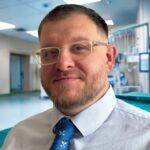
Title: AI in Medicine: From Hype to Helpful
Dr Gareth Kitchen is a Consultant Anaesthetist and clinical researcher with interests in perioperative care, healthcare innovation and the safe, practical adoption of digital technologies. His work brings together frontline clinical practice, research and education, with a focus on translating emerging tools into meaningful benefit for patients and healthcare teams.
Artificial intelligence is already beginning to influence how healthcare is delivered, from imaging and clinical documentation to communication, workflow and decision support. This practical session will explore where AI is currently being used in secondary care, what clinicians can realistically expect from it, and the safeguards needed for responsible adoption. Drawing on UK and international examples, it will consider how clinicians can
distinguish genuinely useful tools from hype while retaining professional judgement, patient trust and safe human oversight.
CPD aim:
To provide a practical, evidence-aware overview of current and emerging uses of artificial intelligence in secondary-care medicine, including the opportunities, limitations and requirements for safe implementation.
By the end of the session, delegates should be able to:
- Describe key current and emerging applications of AI in secondary care, including imaging, clinical
documentation and workflow support. - Identify the potential benefits and limitations of AI tools for clinicians, patients and healthcare organisations.
- Recognise the core principles for safe, responsible AI adoption, including appropriate human oversight, information governance, validation and professional accountability.
- Consider practical first steps for evaluating or introducing an AI-enabled tool within their own setting.
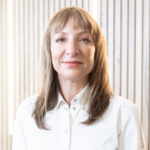
Title: Consent, Complaints & Sedation
This session will explore the legal framework governing consent in sedation practice, including capacity, shared decision-making, and documentation requirements. Drawing on medico-legal experience and case examples, it will examine common causes of complaints and claims involving sedation and provide practical risk management advice to help clinicians deliver safe, patient-centred care.
Aim:
- To provide an overview of the medico-legal principles surrounding consent in sedation practice and highlight common areas of risk that can lead to complaints, claims, or regulatory concerns.
- Understand the legal and ethical requirements for obtaining valid consent for sedation procedures.
- Recognise common consent-related issues and medico-legal pitfalls arising in sedation practice.
- Identify the importance of documentation, communication, and patient-centred decision-making in reducing medico-legal risk.
- Apply practical strategies to support compliant and defensible sedation practice


